Hackathons
How to Do Your First Hackathon With No Coding Experience
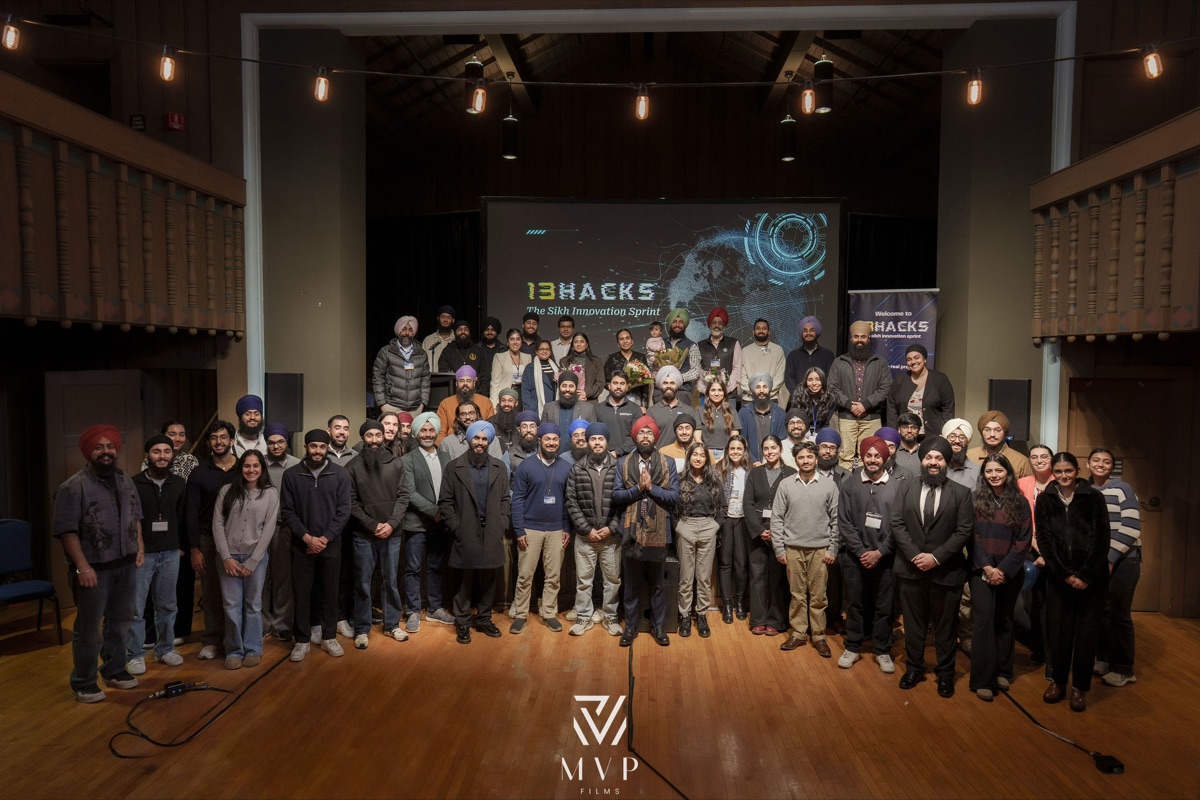
Non-CS major? You can still win. A practical guide to picking a role, finding a team, and pitching — with lessons from 13Hacks, where a first-place team credited the pitch, not the code.
Most students who never go to a hackathon skip it for the same reason: "I'm not technical enough."
Here is the truth from 13Hacks, the first Sikh hackathon: DevRamp, one of the first-place teams, said conviction and clarity won the judges over — not the code. One of its members wrote afterward:
If you're not technical, stop forcing yourself to code. Work on the pitch. Focus on the design. Map out the business model. Do what you're actually good at.
This guide walks through how to do exactly that.
What actually happens at a hackathon
A hackathon is a short, intense event, usually 24 to 72 hours, where small teams build a working prototype of an idea and pitch it to judges. Most follow the same arc:
- Kickoff and tracks. Organizers announce the challenges or "tracks" (for example, a venture track for startup ideas).
- Team formation. If you do not have a team, this is where you find one.
- Building. Workshops, mentor check-ins, and a lot of snacks.
- Demos and pitches. Each team shows what they built and why it matters.
The roles non-coders own
Every strong hackathon team needs more than engineers. Pick the role that matches your strengths:
- Product lead. Defines the problem, talks to "users" (other attendees, mentors), and decides what gets built first.
- Designer. Makes the screens, the flow, and the demo look real. Tools like Figma have free plans.
- Business and market lead. Who is the customer, who are the competitors, how would this make money?
- Pitch lead. Writes and delivers the story. Often the single biggest factor in how judges score.
- Researcher. Finds the data, the stats, and the real-world proof that the problem is worth solving.
At 13Hacks, the Venture Track winner, TruckMind, won by showing a deep understanding of a real industry problem — trucking safety compliance — and a clear plan to solve it.
Before the event
- Pick one skill to lead with. You do not need to do everything. Be the best pitch person or the best designer in the room.
- Learn one no-code tool. A prototyping tool, a website builder, or a slide deck with clickable screens can make an idea feel real.
- Come with a problem, not just an idea. "Small trucking companies manage compliance in spreadsheets" is more useful than "an app for trucks."
During the event
- Find a team early. Say what you are good at: "I'm not an engineer, but I'll own the pitch and the market research."
- Scope small. One core feature that works beats five that do not.
- Talk to mentors. They are there for you. Ask them to poke holes in your idea on day one, not the last hour.
- Start the pitch halfway through, not at the end. It will shape what gets built.
- Sleep a little. Seriously.
The pitch
Judges usually have a few minutes per team. A simple structure works:
- The problem, in one sentence, with a real example.
- Who has it, and how big the group is.
- Your solution, shown in a live or clickable demo.
- Why you — what your team understands that others do not.
- What's next if you kept building.
Know your market, your competitors, and your customer cold. That is what DevRamp said made the difference at 13Hacks.
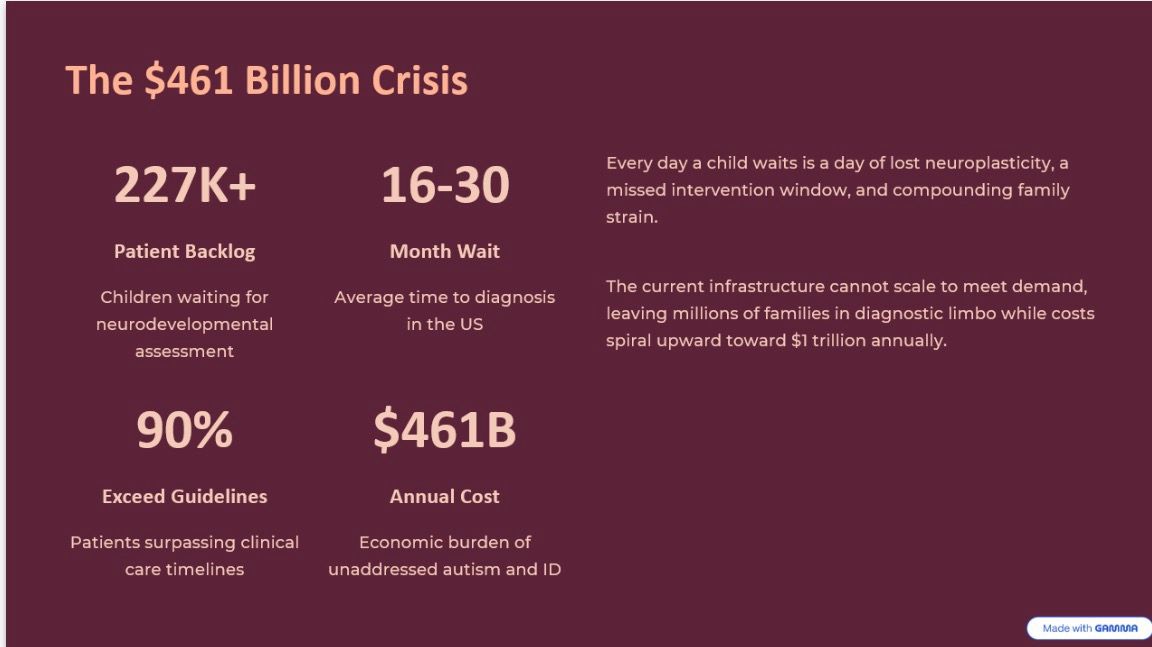
Here is what a strong problem slide looks like. This one, from a 13Hacks pitch, makes the case in four numbers before the product even appears:
Why your first hackathon should be one where you belong
The hardest part of a first hackathon is walking into a room where you do not know anyone. That is why 13Hacks was open to all majors with no coding experience required, and why mentors were there from start to finish. Students formed teams, learned new skills, and pitched real projects alongside people who share their values.
13Hacks 2027 is coming. Join the list below and you will hear first.